Jul
30
3:00pm - 4:00pm
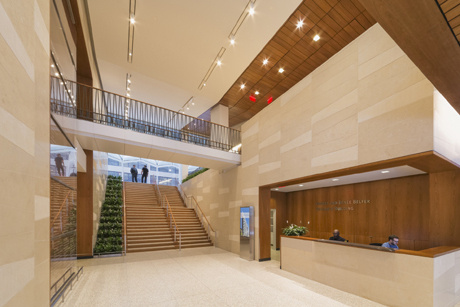
Belfer Research Building
Englander Institute for Precision Medicine Journal Club
Thursday, July 30, 2026
3:00 – 4:00 PM EST
Belfer Research Building, Room 1401
https://weillcornell.zoom.us/j/92600608747
Zoom Meeting ID: 926 0060 8747
“AI-Enabled Virtual Spatial Proteomics from Histopathology for Interpretable Biomarker Discovery in Lung Cancer”
Nature Medicine, January 2026
Presented by:
Eda Nur Kozan, MD
Research Pathology Fellow,
Department of Pathology and Laboratory Medicine
Englander Institute for Precision Medicine
&
“Real-world Deployment of a Fine-Tuned Pathology Foundation Model for Lung Cancer Biomarker Detection”
Nature Medicine, July 2025
Presented by:
Jesus Delgado De La Mora, MD
Research Pathology Fellow,
Department of Pathology and Laboratory Medicine
Englander Institute for Precision Medicine
Jul
29
2:00pm - 3:00pm
Weill Greenberg Center
Englander Institute for Precision Medicine – AI Clinic
Join us for our AI Clinic meeting on Wednesday, July 29th at 2:00pm ET.
(note: more information will be covered outside of weekly topics)
Topic of Discussion for this week
"Building An AI Native Lab"
Session Leader:
Samuel Ahuno, MPhil
Graduate Student
Tri-I Research & Training
Weill Cornell Medicine
AI Clinic Info:
EIPM's bi-weekly sessions (Wednesdays at 2pm-3pm) aim to enhance how we use LLMs for complex tasks, including coding. They will serve as a collaborative space for hands-on troubleshooting, knowledge sharing, and continuous learning.
Who is this for? This clinic is designed for our entire scientific and clinical community, with a special emphasis on trainees (students, postdocs, residents and fellows). It is the perfect forum for:
Researchers and Scientists looking to apply LLMs to data analysis, coding challenges, or manuscript writing.Clinicians interested in exploring how AI tools can securely optimize research and workflows.Trainees seeking a supportive, hands-on environment to learn and get guidance on applying advanced LLMs to their specific projects.What participants can expect from these sessions:
Collaborate with our most LLM-proficient team members (“Super-Users”) to troubleshoot and refine their work.Present real challenges they are encountering (e.g., coding issues, complex prompts, workflow optimization).Potentially share “micro-presentations” when someone discovers a new model, feature, or technique.Our goals are to:
Build internal expertise and share best practices. Help participants overcome real technical challenges, and create a community of practice around practical AI use.
We are currently seeking Super-Users who demonstrate expertise in coding and experience with AI tools such as Chat GPT 5.2, Gemini 3.0, & Claude 4.5 Opus. We are also seeking participants who are looking for troubleshooting guidance.
All skill levels are welcome, from beginners to advanced users.
Reach out to Victoria Cummings (vjc4001@med.cornell.edu) should you have any questions or inquiries.
Jul
23
1:00pm - 2:00pm
Belfer Research Building
Precision Medicine Research Conference
Thursday, July 23, 2026
1-2PM
Belfer Research Building, Room 1401 and via Zoom
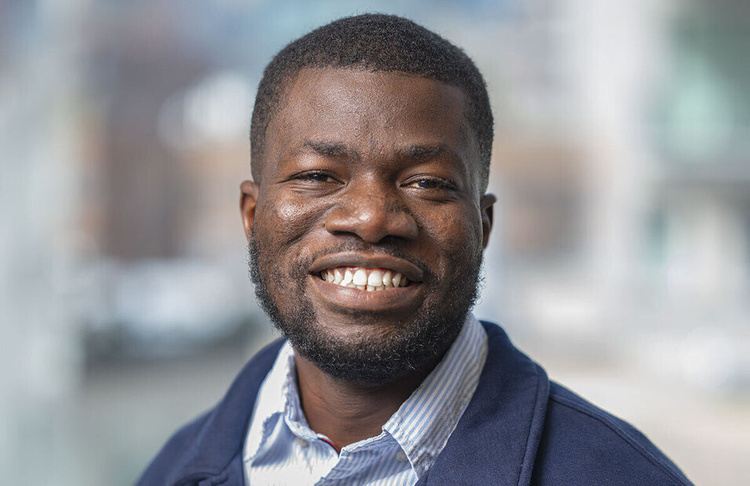
CAP/IASLC/AMP Guideline for the Molecular Testing of Lung Cancers for Treatment with Targeted Therapies
Presented by:
Neal Lindeman, MD
Faculty Distinguished Professor of Pathology,
Vice Chair, Laboratory Medicine and Molecular Pathology,
Weill Cornell Medicine
* This activity has been approved for AMA PRA Category 1 Credit(s)™*
Jul
22
2:00pm - 3:00pm
Weill Greenberg Center 13th Floor – Room Y1301
Englander Institute for Precision Medicine – AI Clinic
Join us for our AI Clinic meeting on Wednesday, July 22nd at 2:00pm ET.
(note: more information will be covered outside of weekly topics)
Topic of Discussion for this week
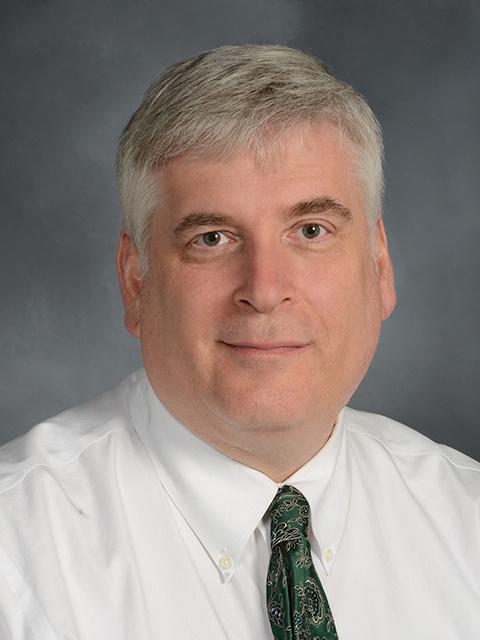
"Secure Analysis of PHI with Bedrock-Deployed Endpoints in AWS"
Session Leader:
Evan Sholle, M.S.
Associate Director, Research Informatics Data Science Services
Weill Cornell Medicine
Lecturer in Population Health Sciences
Weill Cornell Medical College
AI Clinic Info:
EIPM's bi-weekly sessions (Wednesdays at 2pm-3pm) aim to enhance how we use LLMs for complex tasks, including coding. They will serve as a collaborative space for hands-on troubleshooting, knowledge sharing, and continuous learning.
Who is this for? This clinic is designed for our entire scientific and clinical community, with a special emphasis on trainees (students, postdocs, residents and fellows). It is the perfect forum for:
Researchers and Scientists looking to apply LLMs to data analysis, coding challenges, or manuscript writing.Clinicians interested in exploring how AI tools can securely optimize research and workflows.Trainees seeking a supportive, hands-on environment to learn and get guidance on applying advanced LLMs to their specific projects.What participants can expect from these sessions:
Collaborate with our most LLM-proficient team members (“Super-Users”) to troubleshoot and refine their work.Present real challenges they are encountering (e.g., coding issues, complex prompts, workflow optimization).Potentially share “micro-presentations” when someone discovers a new model, feature, or technique.Our goals are to:
Build internal expertise and share best practices. Help participants overcome real technical challenges, and create a community of practice around practical AI use.
We are currently seeking Super-Users who demonstrate expertise in coding and experience with AI tools such as Chat GPT 5.2, Gemini 3.0, & Claude 4.5 Opus. We are also seeking participants who are looking for troubleshooting guidance.
All skill levels are welcome, from beginners to advanced users.
Reach out to Victoria Cummings (vjc4001@med.cornell.edu) should you have any questions or inquiries.

Jul
17
11:00am - 12:00pm
1305 York Ave, New York, NY 10021
Englander Institute for Precision Medicine | AI Working Group
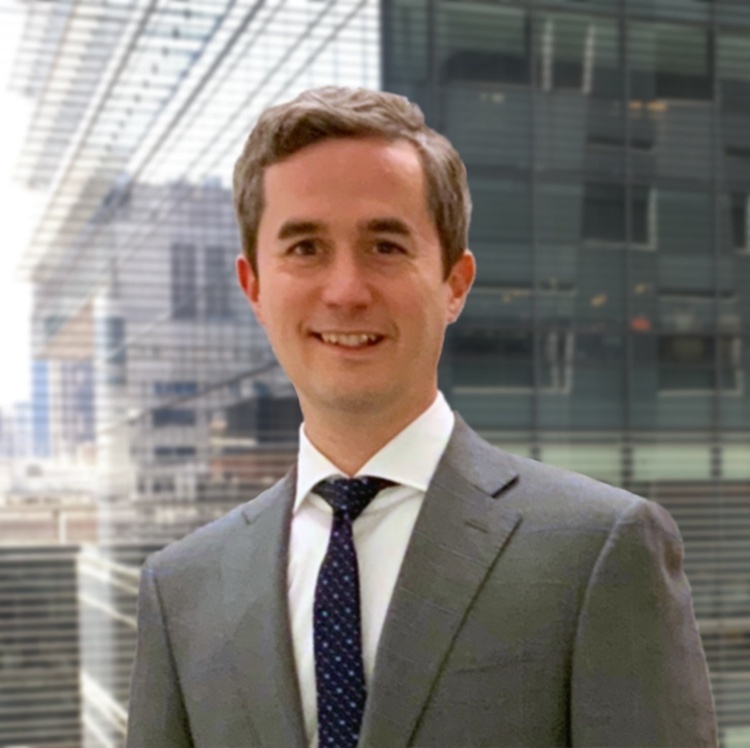
“Probing and Rescuing Dysfunctional Brain Circuits in Depression”
Presented by: Conor Liston, MD, PhD
Robert Michels, MD, Professor of Psychiatry and Neuroscience
Weill Cornell Medicine
Jun
30
1:00pm - 2:00pm
Englander Institute for Precision Medicine Seminar Series
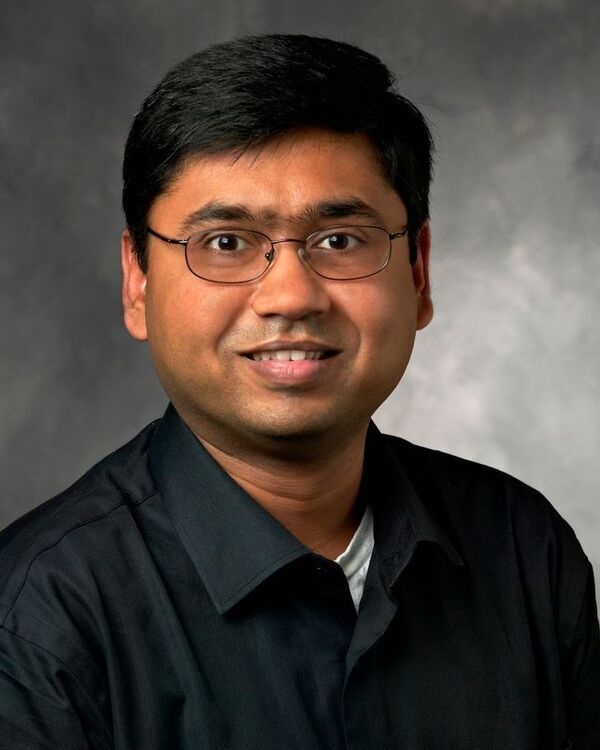
"Responsible AI in Healthcare: From RWE to Agentic Systems"
Presented by:
Dr. Nigam H. Shah, MBBS, PhD.
Professor of Medicine, and of Biomedical Data Science
Chief Data Scientist, Stanford Healthcare
Associate Dean, School of Medicine
Associate Director, Stanford Center for Biomedical Informatics Research
Biography:
Dr. Shah reported being a cofounder of Prealize Health (a predictive analytics company) as well as Atropos Health (an on-demand evidence generation company) and serving on the Board of the Coalition for Healthcare AI (CHAI), a consensus-building organization providing guidelines for the responsible use of artificial intelligence in health care. Dr. Shah serves as an advisor to Opala, Curai Health, JnJ Innovative Medicines and AbbVie pharmaceuticals.
Jun
25
1:00pm - 2:00pm
Precision Medicine Research Conference
Thursday, June 25, 2026
1-2PM
Virtual only
"Liquid Biopsies for Breast Cancer"
Presented by:
Jenna V. Canzoniero, MD, MS
Assistant Professor,
Breast and Gyn Cancer Program (BGCP)
Johns Hopkins Sidney Kimmel Cancer Center
* This activity has been approved for AMA PRA Category 1 Credit(s)™*
Jun
17
2:00pm - 3:00pm
Weill Greenberg Center 13th Floor – Room Y1301
Englander Institute for Precision Medicine – AI Clinic
Join us for our AI Clinic meeting on Wednesday, June 17th at 2:00pm ET.
(note: more information will be covered outside of weekly topics)
Topic of Discussion for this week
"AI Workflows Promise and Pitfalls"
Session Leader:
Zachary Grinspan, M.D.
Associate Professor, Departments of Pediatrics, Neurology, and Population Health Sciences
Vice Chair of Health Data Science
Director of Pediatric Epilepsy Research
AI Clinic Info:
EIPM's bi-weekly sessions (Wednesdays at 2pm-3pm) aim to enhance how we use LLMs for complex tasks, including coding. They will serve as a collaborative space for hands-on troubleshooting, knowledge sharing, and continuous learning.
Who is this for? This clinic is designed for our entire scientific and clinical community, with a special emphasis on trainees (students, postdocs, residents and fellows). It is the perfect forum for:
Researchers and Scientists looking to apply LLMs to data analysis, coding challenges, or manuscript writing.Clinicians interested in exploring how AI tools can securely optimize research and workflows.Trainees seeking a supportive, hands-on environment to learn and get guidance on applying advanced LLMs to their specific projects.What participants can expect from these sessions:
Collaborate with our most LLM-proficient team members (“Super-Users”) to troubleshoot and refine their work.Present real challenges they are encountering (e.g., coding issues, complex prompts, workflow optimization).Potentially share “micro-presentations” when someone discovers a new model, feature, or technique.Our goals are to:
Build internal expertise and share best practices. Help participants overcome real technical challenges, and create a community of practice around practical AI use.
We are currently seeking Super-Users who demonstrate expertise in coding and experience with AI tools such as Chat GPT 5.2, Gemini 3.0, & Claude 4.5 Opus. We are also seeking participants who are looking for troubleshooting guidance.
All skill levels are welcome, from beginners to advanced users.
Reach out to Victoria Cummings (vjc4001@med.cornell.edu) should you have any questions or inquiries.
Jun
03
2:00pm - 3:00pm
Weill Greenberg Center 13th Floor – Room Y1301
Englander Institute for Precision Medicine – AI Clinic
Join us for our AI Clinic meeting on Wednesday, June 3rd at 2:00pm ET.
(note: more information will be covered outside of weekly topics)
Topic of Discussion for this week
"Optimizing scientific workflows with Claude Code"
Session Leader:
Alexander Karr, M.S.
Research Technician
Tilgner Lab,
Tri-Institutional CBM Program,
Weill Cornell Medicine
AI Clinic Info:
EIPM's bi-weekly sessions (Wednesdays at 2pm-3pm) aim to enhance how we use LLMs for complex tasks, including coding. They will serve as a collaborative space for hands-on troubleshooting, knowledge sharing, and continuous learning.
Who is this for? This clinic is designed for our entire scientific and clinical community, with a special emphasis on trainees (students, postdocs, residents and fellows). It is the perfect forum for:
Researchers and Scientists looking to apply LLMs to data analysis, coding challenges, or manuscript writing.Clinicians interested in exploring how AI tools can securely optimize research and workflows.Trainees seeking a supportive, hands-on environment to learn and get guidance on applying advanced LLMs to their specific projects.What participants can expect from these sessions:
Collaborate with our most LLM-proficient team members (“Super-Users”) to troubleshoot and refine their work.Present real challenges they are encountering (e.g., coding issues, complex prompts, workflow optimization).Potentially share “micro-presentations” when someone discovers a new model, feature, or technique.Our goals are to:
Build internal expertise and share best practices. Help participants overcome real technical challenges, and create a community of practice around practical AI use.
We are currently seeking Super-Users who demonstrate expertise in coding and experience with AI tools such as Chat GPT 5.2, Gemini 3.0, & Claude 4.5 Opus. We are also seeking participants who are looking for troubleshooting guidance.
All skill levels are welcome, from beginners to advanced users.
Reach out to Victoria Cummings (vjc4001@med.cornell.edu) should you have any questions or inquiries.

Jun
01
12:00pm - 12:00am
Our symposium, funded by Cornell's Office of Academic Integration, aims to create a broader awareness of AI advances at Cornell, and promote and strengthen collaborations. We anticipate that 100+ Cornell faculty members will join the two-day event to bridge the strengths in Ithaca with the clinical and technological environment in New York City.
Registration Required by May 8, 2026